Jerusalem in 2 days: four quarters, three religions, one city
You can't 'see' Jerusalem — you can only spend time in it, and two days are enough to feel the essence. This is a city where, on a single square kilometre, the holy sites of three religions sit side by side, four quarters each with their own language and smell, and two thousand years pressed into stone lanes. Day one is inside the walls of the Old City; day two is around it, over the hills of memory. And remember Shabbat: from Friday evening to Saturday evening the city goes still, so plan your Saturday ahead.

Jerusalem is built in rings: at the centre, the Old City behind its fortress wall, divided into the Jewish, Christian, Armenian and Muslim quarters; around it, the hills on which stand the Mount of Olives, Mount Zion and the memorials. Two days is one day inside the walls and one outside. Dress modestly everywhere — shoulders and knees covered — that's the rule at every holy site without exception.
Day 1. The Old City — four quarters

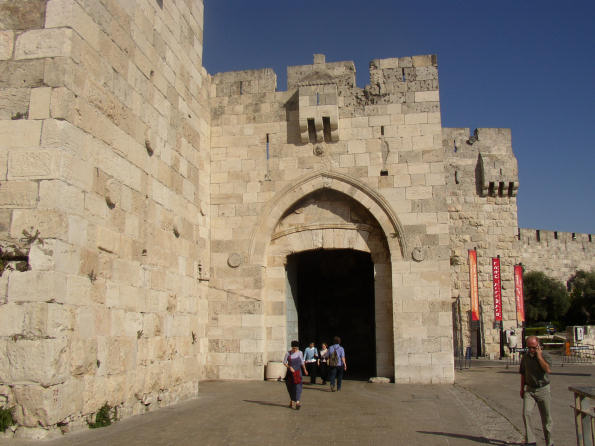
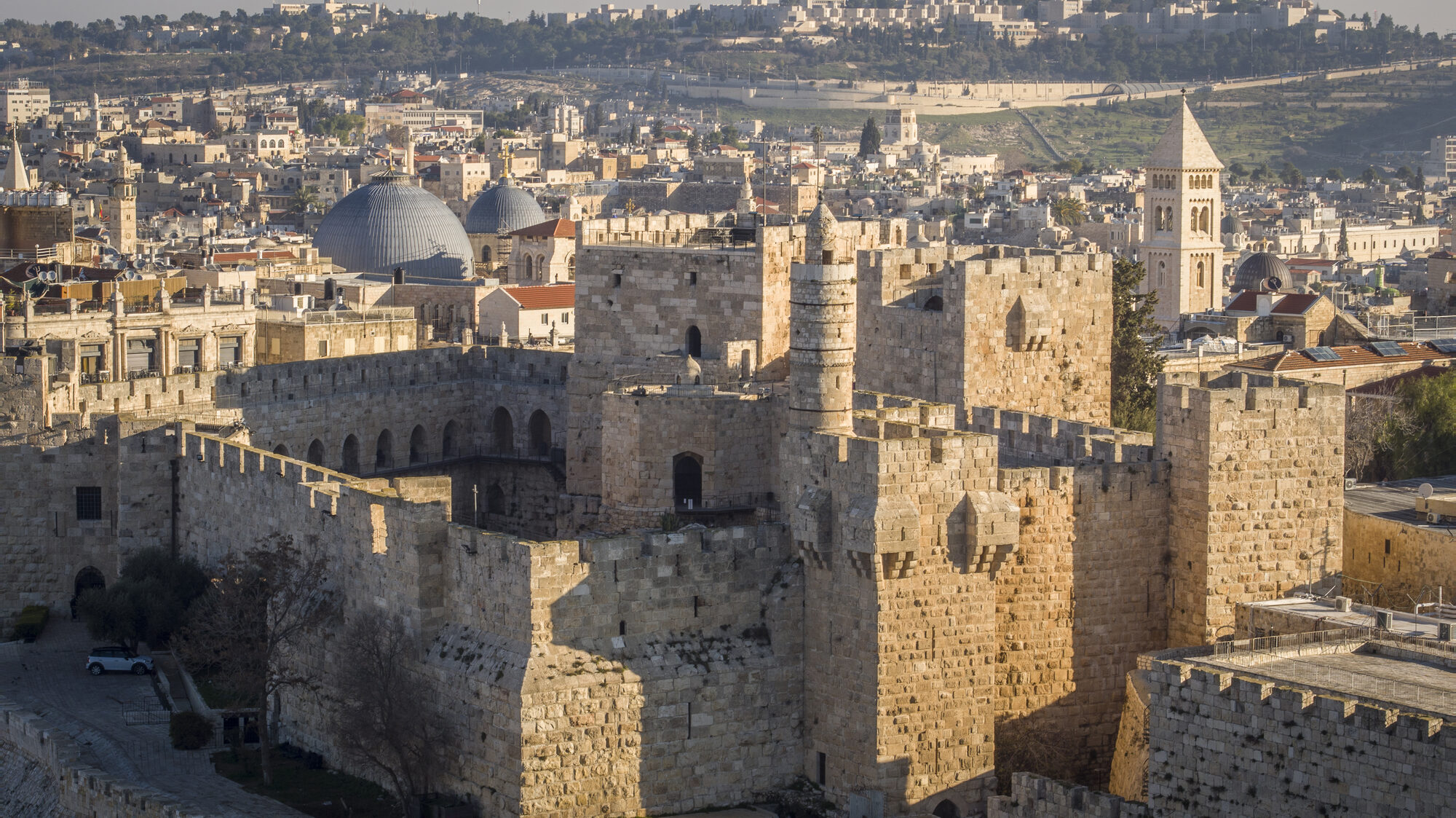
Enter through the Jaffa Gate. Despite the common line that "the four quarters fan out from here" — they actually branch not from the gate but deeper in, roughly at the Muristan in the centre of the Old City; from the entrance itself, a road runs off to the right along the Armenian Quarter, and to the left lies the Christian Quarter. Immediately to the right of the entrance is the Citadel and Tower of David: the rooftop really does give a good view, so go up for the panorama and to fix the city's map in your head. The museum ticket office is on the right, before you even enter the city; the walk along the ramparts is a separate ticket. And about thirty metres to the left of the entrance, in the tourist office, hangs a large city map — check it before you dive into the lanes.
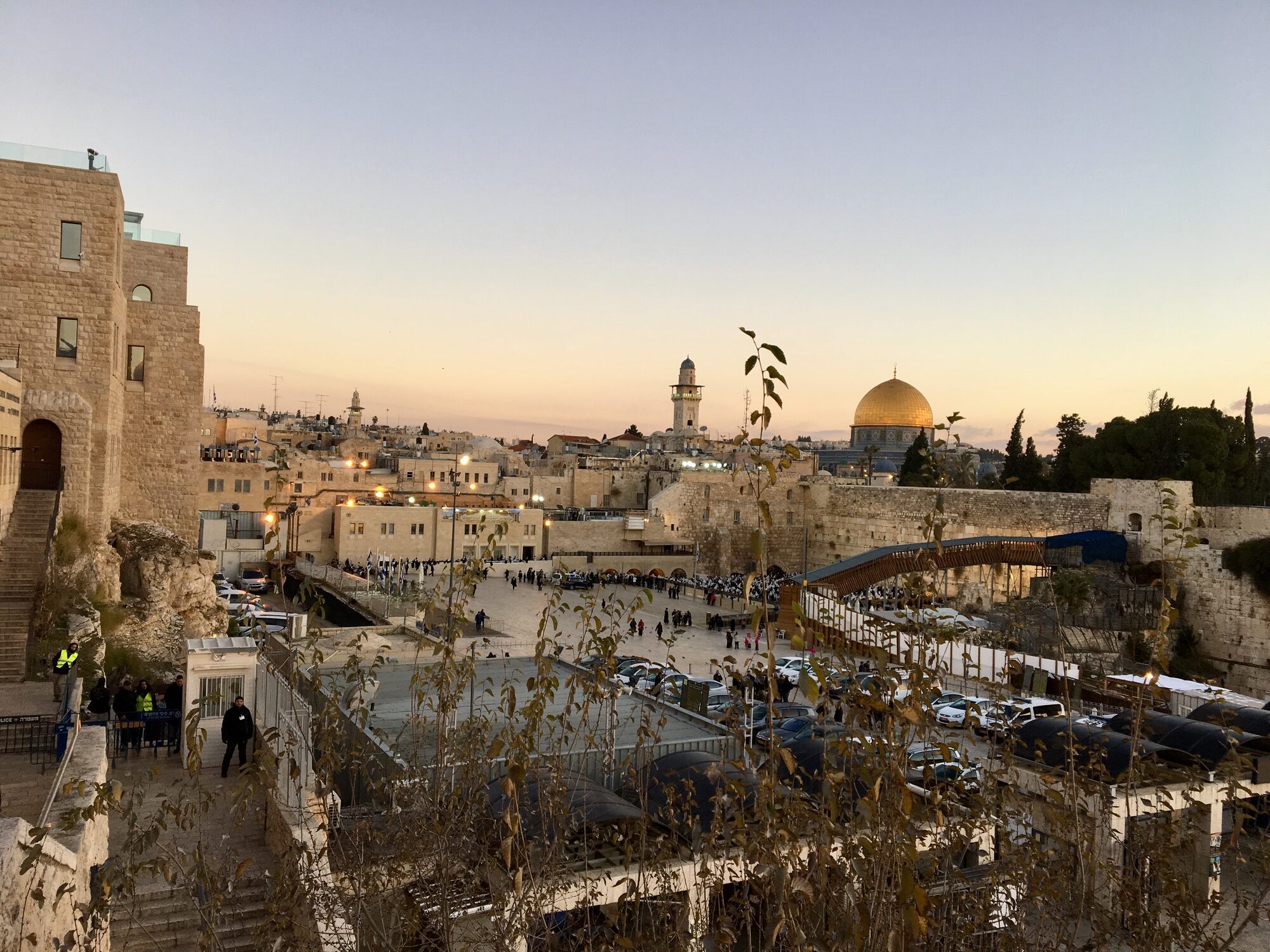
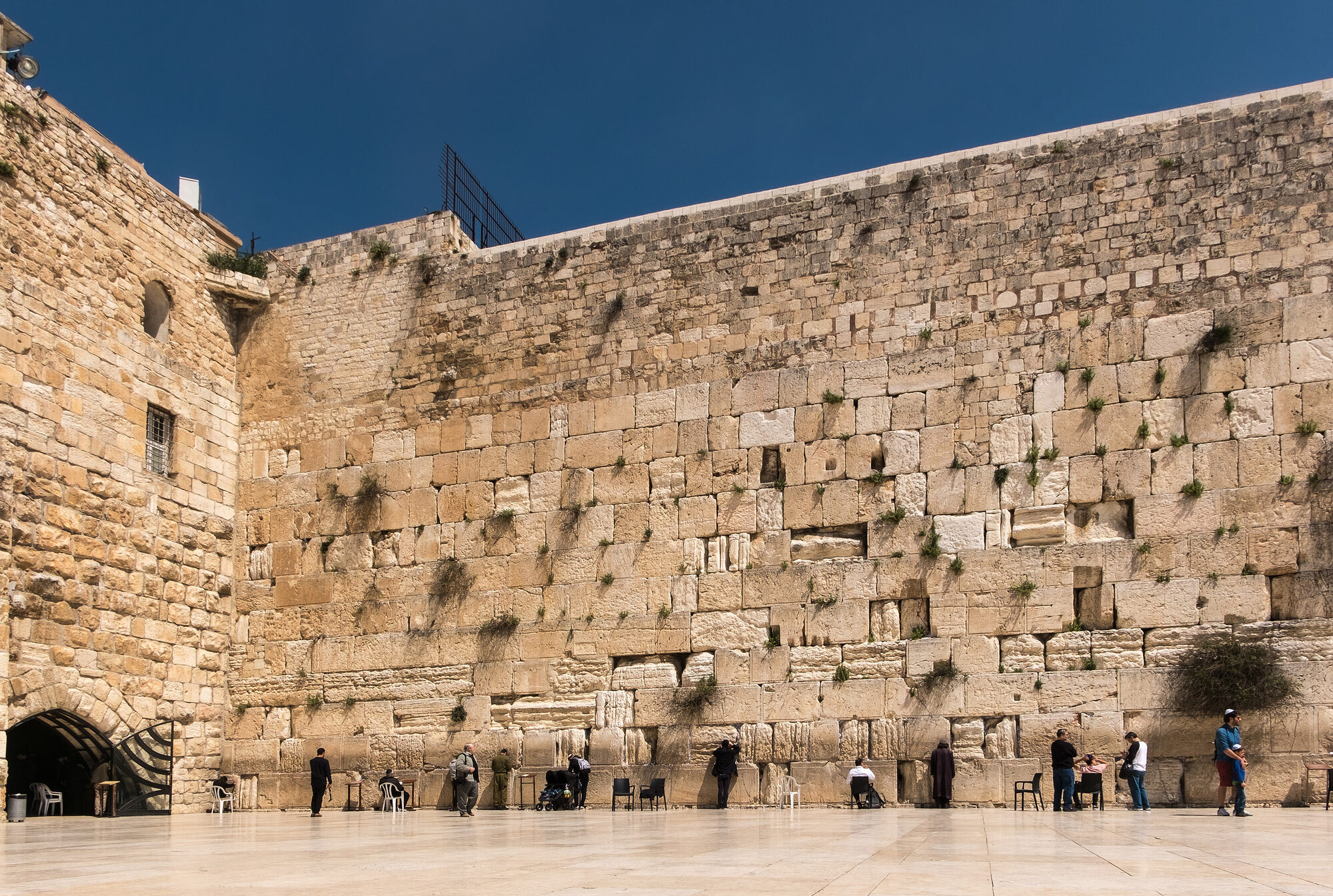
Drop down into the Jewish Quarter to the excavated Roman Cardo — the main street of the ancient city; nearby is the Hurva Synagogue, with its turbulent history. Important: the Cardo runs parallel to the Western Wall, and you can't reach the Wall directly along it. The convenient descent is through the "Herodian Quarter" museum (entrance off the same square, down a lane): you can tour it and descend through it right to the Wall. The plaza is alive around the clock, with separate men's and women's sections.
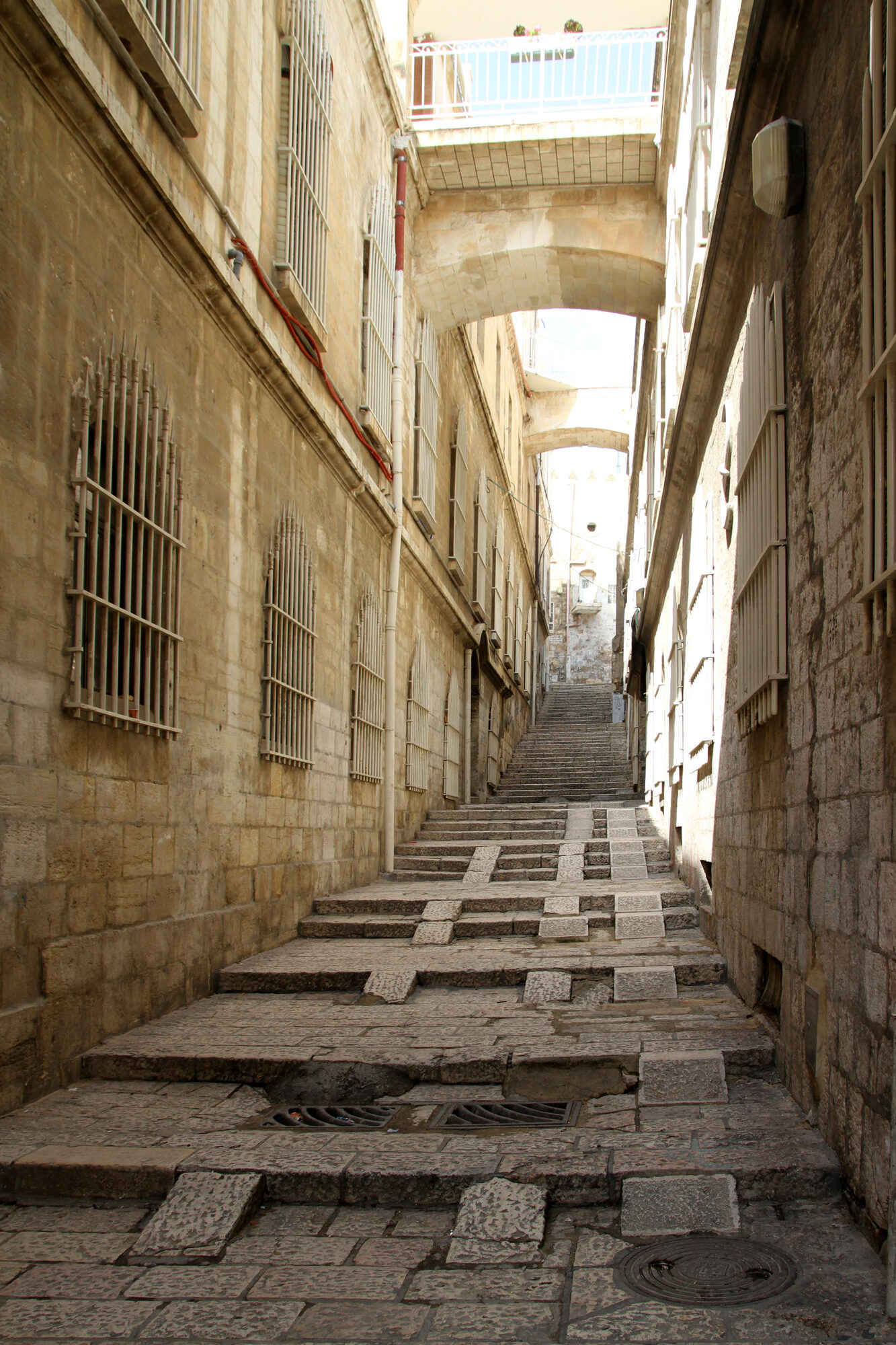
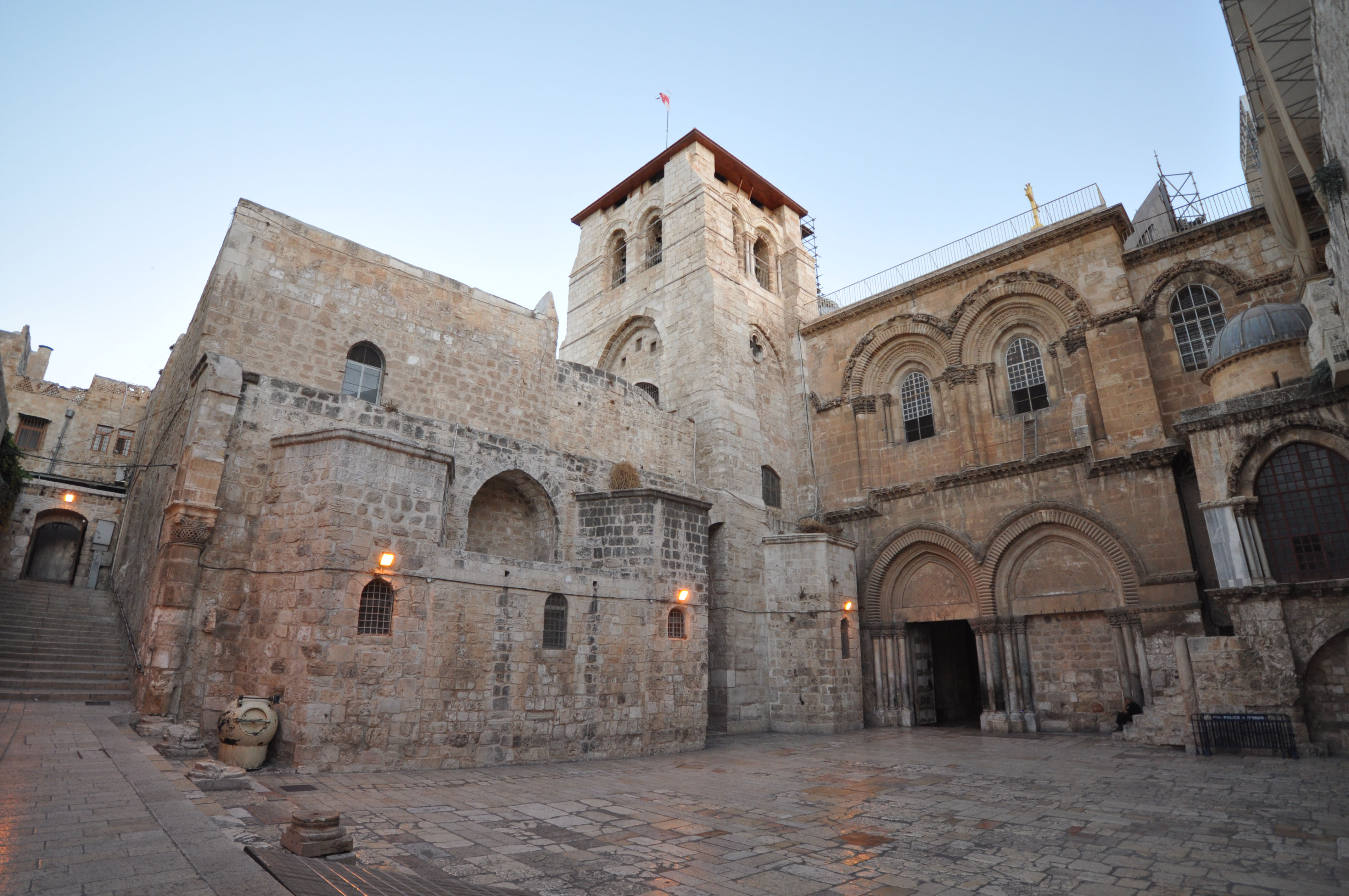
From the Wall, don't go back the way you came — it's a needless detour. Facing the Wall, head left: through the Muslim market you come out onto the Via Dolorosa, the Way of the Cross with its fourteen stations, winding through the noisy bazaar, and it brings you to the Church of the Holy Sepulchre in the Christian Quarter — try to get inside before the line for the Aedicule builds up. That way the day makes a through-route, with no doubling back along the same street.
If you still have energy, back at the Jaffa Gate take a ticket for the ramparts walk (ticket office on the right, by the gate) and walk above the rooftops. The Armenian Quarter you can only glimpse — the courtyard of St James's Cathedral (and, during services, the church itself) and the museum when it's open: beyond that the quarter is closed to outsiders — private.
Day 2. Hills of memory — Temple Mount, Mount of Olives, Yad Vashem

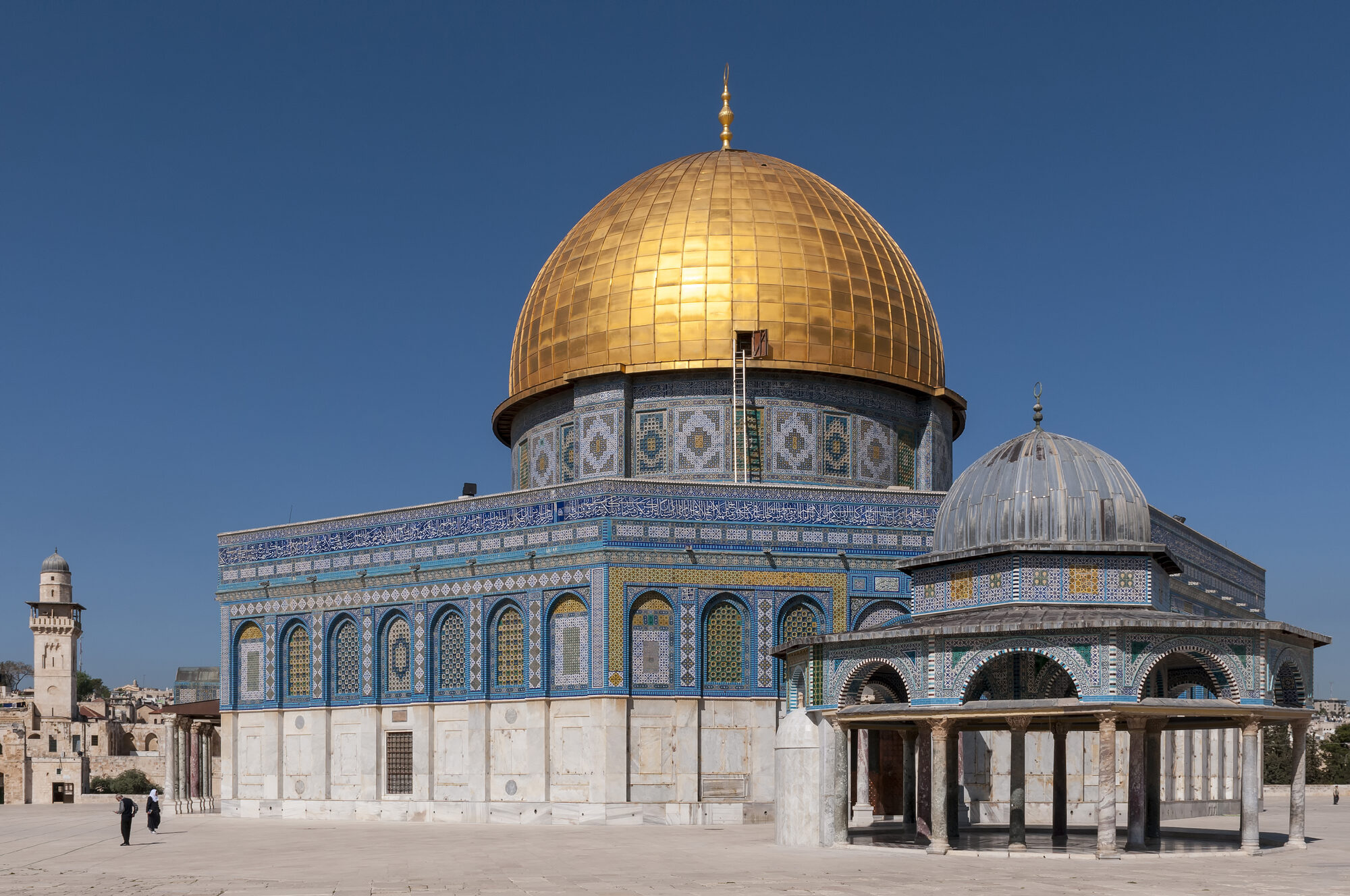
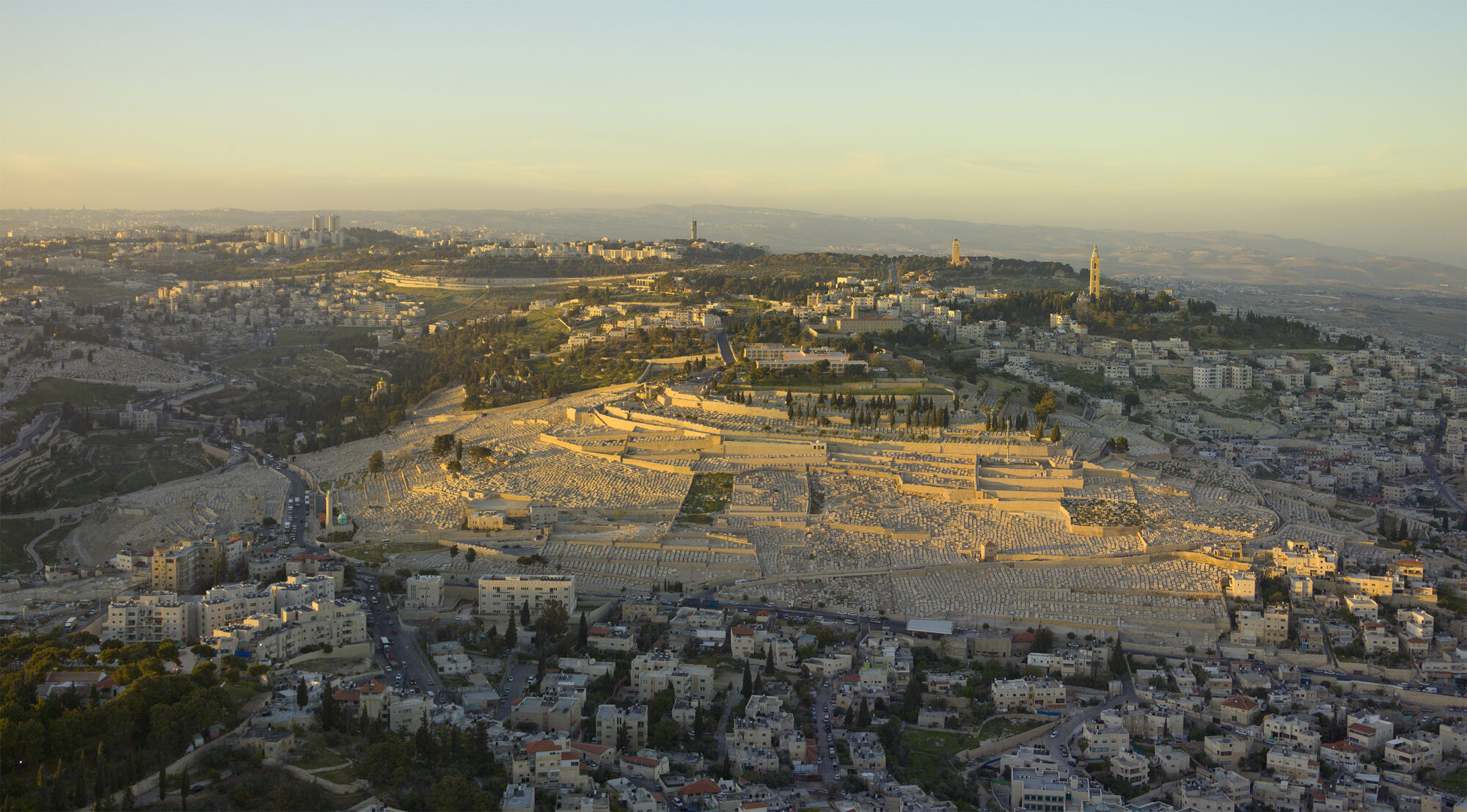
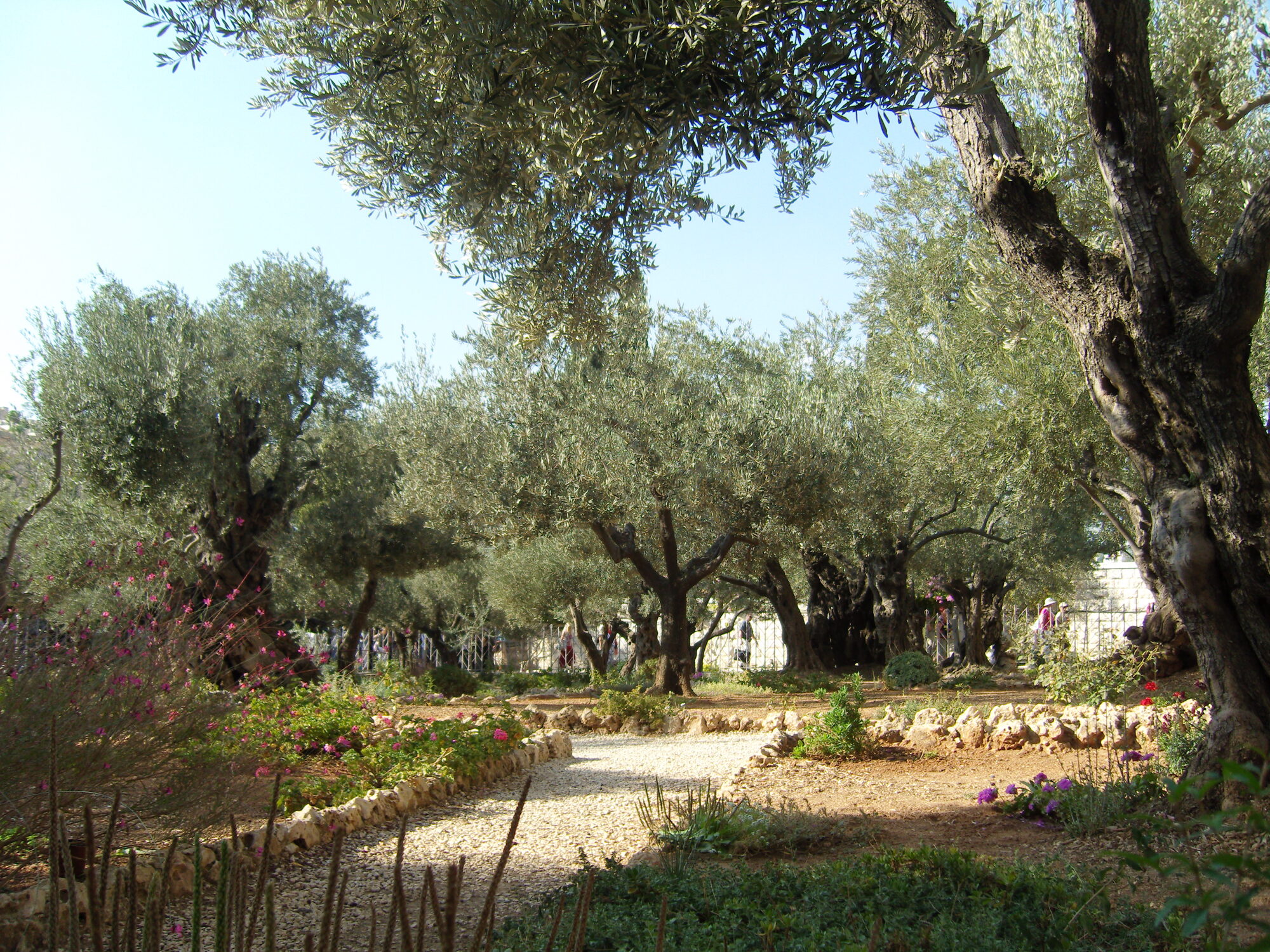
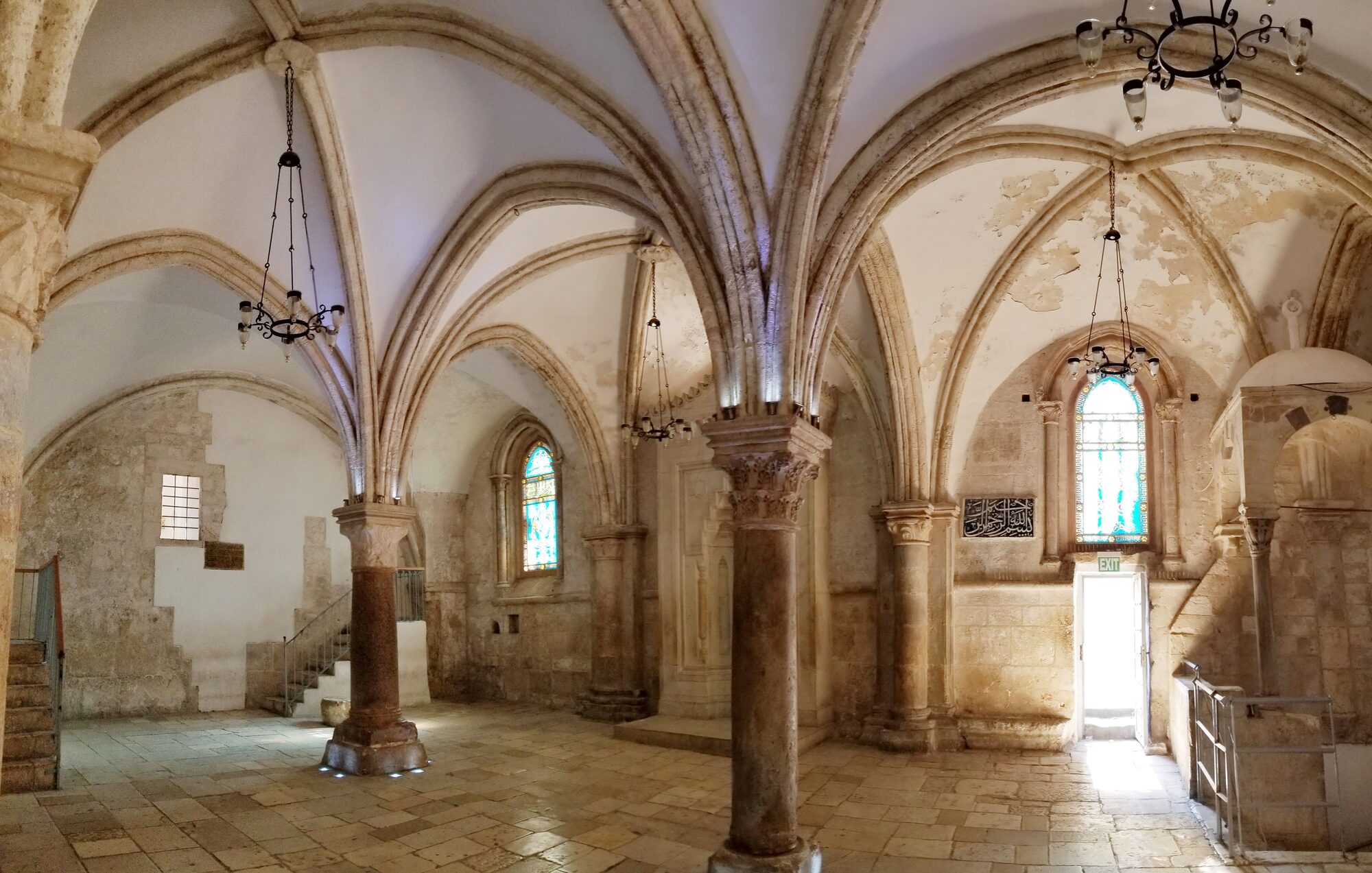
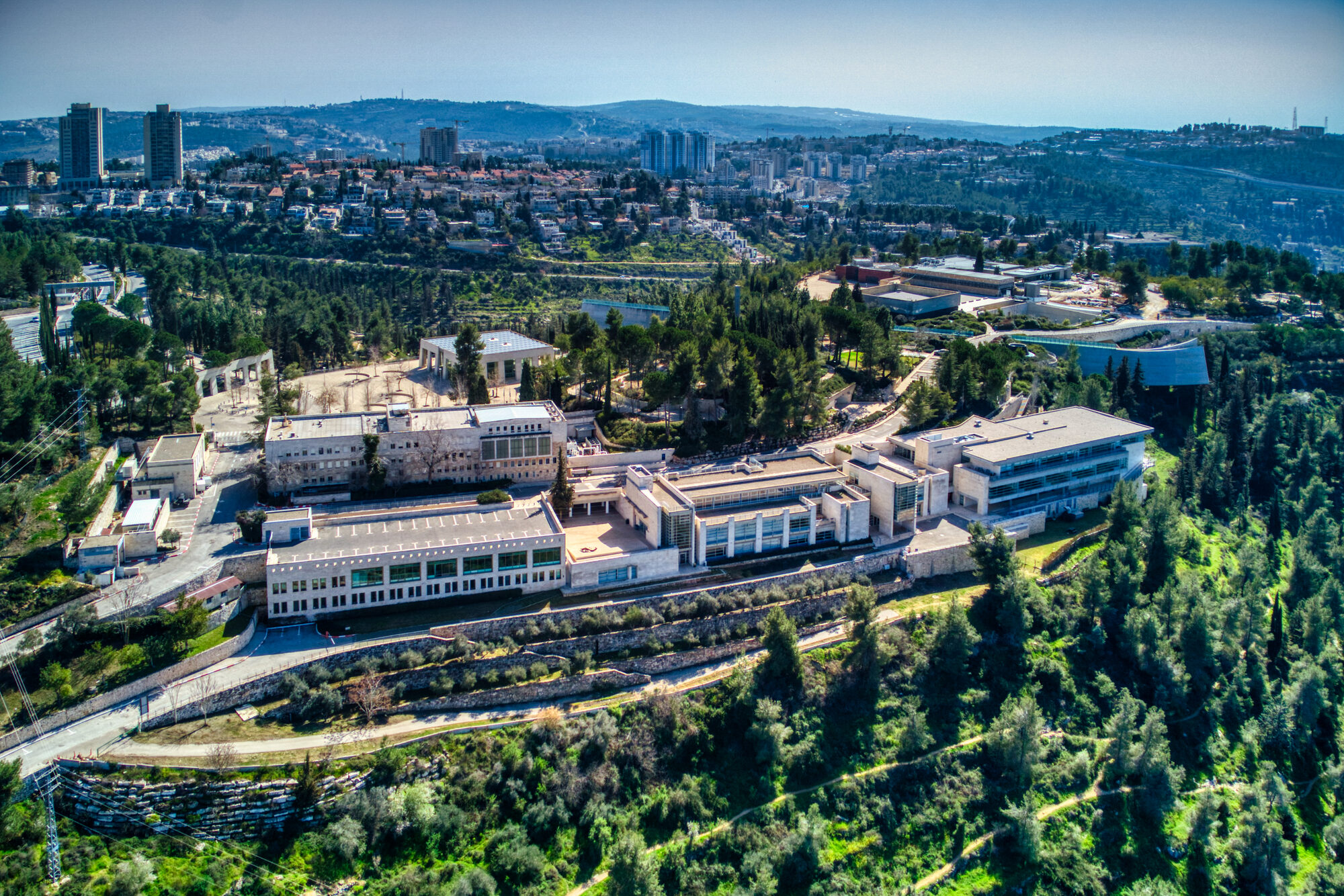
Start early — this matters: non-Muslims are admitted to the Temple Mount only via the Mughrabi Gate and only in narrow morning windows (Sunday–Thursday), and entry inside the Dome of the Rock and Al-Aqsa Mosque is closed altogether. You admire the golden dome from outside — and that's enough to understand why this hill has been fought over for millennia. Then to the Mount of Olives — but don't climb it on foot: the ascent here is steep (gradients of 25–30%, worn steps), and in the heat it's punishing. Take a taxi to the viewpoint at the top — this is the city's most famous shot, the Old City and the golden dome in the palm of your hand — and from there walk down on foot, past the churches, into the Garden of Gethsemane with its thousand-year-old olives and the Church of All Nations. A good lunch spot is by the Damascus Gate in East Jerusalem, or back towards Mount Zion. After lunch, Mount Zion, for the Room of the Last Supper and the Tomb of David. Give the second half of the day to memory: Yad Vashem, the Holocaust memorial, free to enter, needing several hours for a thoughtful visit; those who prefer antiquities have the Israel Museum nearby, with the Dead Sea Scrolls. Toilets along the way are scarce — count on cafés and churches (at Gethsemane, on Mount Zion); there are toilets at Yad Vashem and the museum.

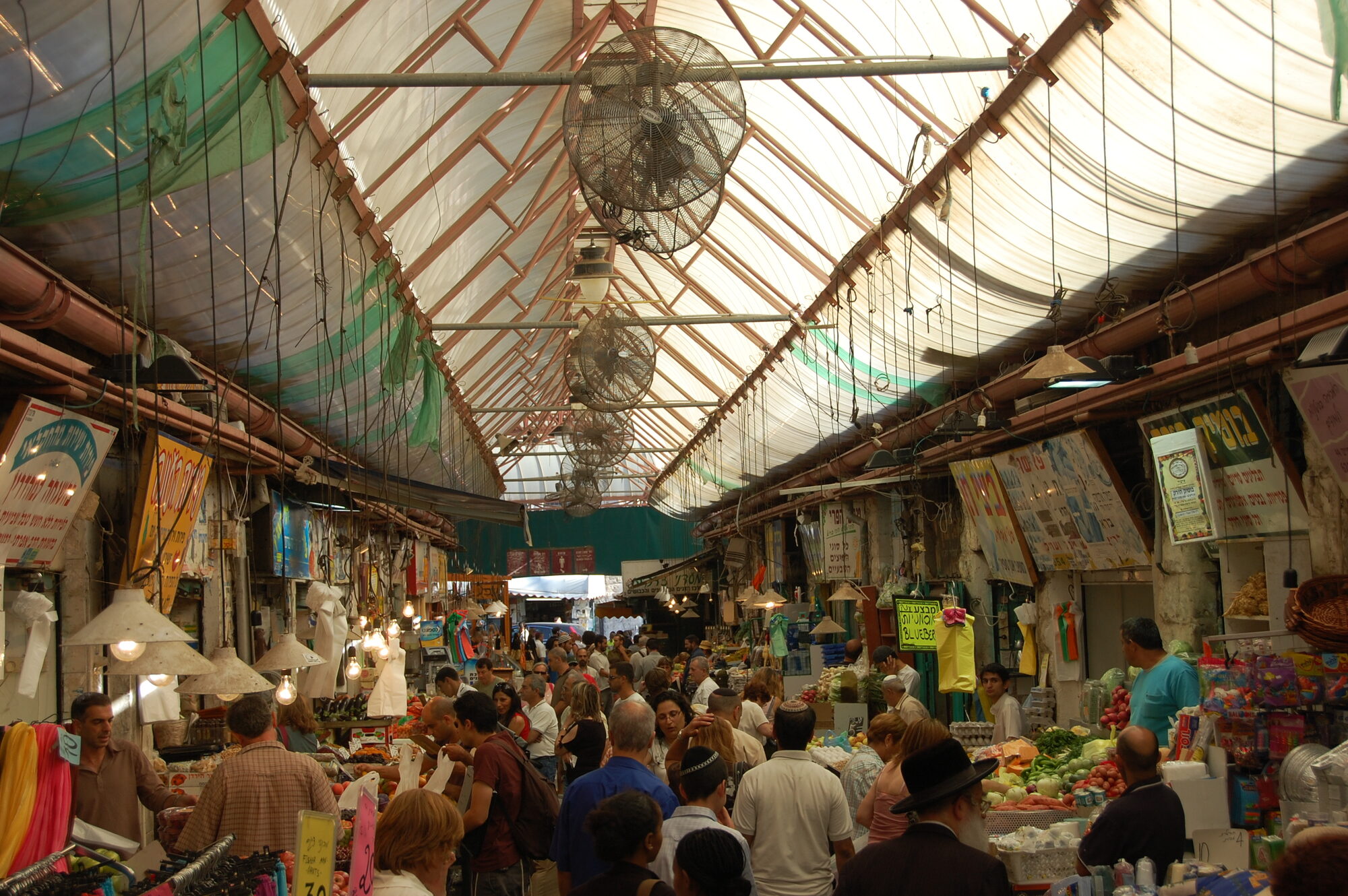
And save the evening for the living city — the Mahane Yehuda market: by day a bazaar with mountains of spices, halva and pomegranate, and after dark the graffitied shutters roll down to reveal the bars behind them. The best way to finish Jerusalem is not in a museum but at a table, among the people who live here.
On the map
Day 1. The Old City — four quarters
План по часам
Ориентир, а не расписание — подстраивайте под себя.
Day 1. The Old City — four quarters
- 08:30Jaffa Gate
Entrance to the Old City. City map in the tourist office to the left, about 30 m.
- 09:00Tower of David
View from the citadel roof. Ticket office by the gate; ramparts are a separate ticket.
- 10:30Jewish Quarter and the Cardo
Roman street, Hurva Synagogue. To the Wall — via the Herodian Quarter museum.
- 11:30Western Wall
Plaza open around the clock, sections separate. Cover your head. Toilets to the left of the plaza.
- 13:00Lunch at Hurva Square
Cafés and arcades in the Jewish Quarter; toilets nearby.
- 14:00Via Dolorosa
From the Wall, left through the market — a through-route, no doubling back.
- 15:00Church of the Holy Sepulchre
At the end of the Via Dolorosa. Shoulders and knees covered.
- 16:30Ramparts and Armenian Quarter (optional)
Ramparts ticket by the Jaffa Gate. Armenian Quarter — only the St James's courtyard, private.
Day 2. Hills of memory
- 08:00Temple Mount
Morning windows only, Sun–Thu, via the Mughrabi Gate. No entry inside.
- 09:30Mount of Olives
Taxi up to the viewpoint — don't climb on foot (steep ascent, heat).
- 10:30Garden of Gethsemane
Walk down on foot: olives, Church of All Nations. Toilet at the church.
- 13:00Lunch and Mount Zion
A bite by the Damascus Gate or on Mount Zion; the Room, the Tomb of David.
- 15:00Yad Vashem
Holocaust memorial, free entry, several hours. Toilets available.
- 19:00Mahane Yehuda market
A bazaar by day, bars behind the shutters after dark.
Send this hour-by-hour plan to your email
We'll send the day-by-day schedule so it's handy on the road. Plus, every couple of weeks — places you won't find by googling. No spam.
Practical information
- Getting there
- The Old City is compact — inside, it's on foot only, over cobblestones (bring comfortable shoes). From the new districts to the Jaffa or Damascus Gate, take the light rail (tram) and buses; for the Mount of Olives and Gethsemane a taxi is easier. Above all — Shabbat: from Friday evening to Saturday evening transport stops and much is closed; in those hours, taxis and walking routes through the Old City save the day.
- When to go
- Spring (March–May) and autumn (October–November) are mild and comfortable for walking. Summer is hot and bright; winter can be chilly and rainy, occasionally even snowy. The holy sites are quietest early in the morning.
Questions & answers
How should I dress for the holy sites?▼
Shoulders and knees covered — everywhere: at the Western Wall, in the Church of the Holy Sepulchre, on the Temple Mount, on Mount Zion. Men must cover their heads at the Western Wall (kippot are handed out free at the entrance). This rule applies across all the city's religions and is strictly observed.
Can I go up to the Temple Mount and inside the Dome of the Rock?▼
Non-Muslims are admitted to the plaza only via the Mughrabi Gate and only in narrow morning windows (Sunday–Thursday, not on Muslim holidays). Entry inside the Dome of the Rock and Al-Aqsa Mosque is closed to non-Muslims. Come at opening — the queue builds quickly.
What about Shabbat?▼
From Friday evening to Saturday evening the Jewish districts go still: no buses or tram, shops and many cafés closed. But the Old City (especially the Christian and Muslim quarters) and Arab East Jerusalem stay alive, and taxis run. Saturday is well spent on foot inside the walls.
Are two days enough?▼
For Jerusalem itself — yes: a day inside the walls and a day over the surrounding hills cover the essentials. If you have a third day, the classic extension is a trip to the Dead Sea and Masada (about an hour by car); both are easy to reach from Jerusalem.
What should I eat?▼
Hummus and falafel, shakshuka for breakfast, knafeh for something sweet. The best markets are Mahane Yehuda in the New City and the stalls of the Arab bazaar in the Old City. In the evening, Mahane Yehuda's bars open up — a whole other side of the city.
Travel here with us
Plan your trip with the AI helper — it picks places by interest, splits them across days and shows real prices.
Take this route with you
We'll email you a link to this route— handy on the road. Plus, every couple of weeks, places you won't find by googling. No spam.